In today’s fast-paced world, neurological health has become an increasingly important aspect of overall well-being. The brain and nervous system control nearly every function in the body, from movement and speech to memory and emotions. When something goes wrong, it can significantly impact daily life. This is why many individuals begin their search for neurological care near me when they experience symptoms such as chronic headaches, dizziness, numbness, or cognitive difficulties.
Access to quality neurological services is no longer limited to in-person visits alone. With advancements in telemedicine and patient-focused care models, individuals can now receive expert evaluations and follow-ups from the comfort of their homes. Practices like Neuro Associates are redefining how patients experience neurological care by combining expertise, accessibility, and affordability.
This article explores what neurological care involves, when to seek help, the benefits of remote consultations, and how patients can make informed decisions when choosing the right provider.
Neurological care focuses on diagnosing, treating, and managing disorders related to the nervous system. This includes the brain, spinal cord, and peripheral nerves. Neurologists are highly trained specialists who address a wide range of conditions, from common issues like migraines to complex disorders such as epilepsy, Parkinson’s disease, and multiple sclerosis.
Patients seeking neurological care near me often do so because of symptoms that may initially seem minor but could indicate underlying neurological concerns. These symptoms may include:
Early diagnosis and intervention are crucial in preventing complications and improving long-term outcomes.
Neurological care providers handle a broad spectrum of conditions. Some of the most frequently treated issues include:
Chronic headaches can disrupt productivity and quality of life. Neurologists assess triggers, patterns, and underlying causes to create effective treatment plans.
Proper diagnosis and medication management can help patients lead normal, active lives.
Conditions like Alzheimer’s and Parkinson’s require ongoing monitoring and tailored treatment strategies.
Nerve damage can cause pain, tingling, and weakness, often requiring specialized care.
Neurologists play a vital role in both acute treatment and rehabilitation planning.
Each condition requires a personalized approach, highlighting the importance of choosing a provider who offers comprehensive and patient-centered care.
Recognizing when to consult a neurologist is essential. While some symptoms may be temporary, others could signal serious conditions that need immediate attention.
Individuals should consider seeking neurological care near me if they experience:
Timely consultation not only helps in accurate diagnosis but also prevents the progression of neurological disorders.
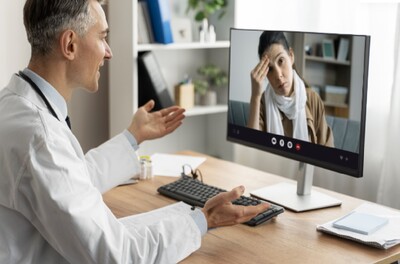
Modern healthcare is evolving, and telemedicine has become a vital component of patient care. For selective, non-urgent neurological evaluations, remote consultations provide a convenient and efficient alternative to in-person visits.
Dr. Ourmazdi offers remote consultations and follow-ups, allowing patients to access expert care without the need to travel. This approach is particularly beneficial for individuals with mobility challenges, busy schedules, or those living in remote areas.
This modern approach ensures that high-quality neurological care is accessible to a wider population.
One of the biggest concerns patients have when seeking medical care is cost. Fortunately, remote neurological consultations are often covered by most insurance providers, just like in-person visits.
Patients can feel reassured knowing that:
For patients who are out of network or uninsured, services are offered at set fees aligned with Medicare rates. This ensures affordability without compromising the quality of care.
A patient-centered approach is at the heart of effective neurological treatment. This involves understanding each patient’s unique symptoms, medical history, and lifestyle factors.
When searching for neurological care near me, patients should prioritize providers who emphasize these principles, as they significantly improve patient satisfaction and outcomes.
Neurological disorders can progress rapidly if left untreated. Early diagnosis allows for timely intervention, which can:
Regular check-ups and prompt attention to symptoms are essential components of maintaining neurological health.
Understanding what happens during a neurological consultation can help patients feel more prepared and confident.
Depending on the condition, the neurologist may recommend tests such as:
Based on the findings, a personalized treatment plan is developed. This may include medication, lifestyle changes, therapy, or further monitoring.
Choosing a specialized provider ensures access to advanced expertise and comprehensive care.
Specialists are trained to handle complex neurological conditions with precision.
Modern diagnostic tools enable accurate and efficient evaluations.
A focus on both physical and mental well-being ensures comprehensive treatment.
Neurological conditions often require ongoing management. Follow-up consultations are essential for:
Remote follow-ups make this process more convenient and accessible for patients.
Selecting the right provider is a crucial step in the healthcare journey.
Taking the time to evaluate these factors can help patients find a provider that meets their needs effectively.
The field of neurology is continuously evolving, with advancements in technology and treatment methods improving patient outcomes.
These innovations are making neurological care more efficient, accessible, and patient-focused.
Trust is an essential component of any healthcare relationship. Patients should feel comfortable discussing their symptoms and concerns openly.
A strong patient-provider relationship leads to better adherence to treatment plans and improved outcomes.
Neurological health plays a critical role in overall well-being, and seeking timely care is essential for managing symptoms and preventing complications. With the availability of remote consultations and patient-centered services, accessing expert neurological care has never been easier.
Providers like Neuro Associates are setting new standards by offering flexible, affordable, and comprehensive care options. From initial evaluations to ongoing follow-ups, patients can receive high-quality treatment tailored to their needs.
For anyone experiencing neurological symptoms, taking the first step toward professional care can make a significant difference. By choosing a reliable provider and exploring modern care options, individuals can ensure better health outcomes and an improved quality of life.