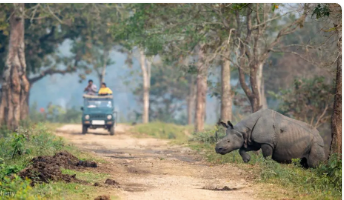
India's forests don't run on a single calendar. A tiger reserve in Madhya Pradesh peaks in April, a rhino sanctuary in Assam shuts its gates in June, and a snow leopard trail in Ladakh only opens once winter sets in. If you're building a trip around your own interests rather than a fixed group departure, timing becomes the single biggest factor in how the whole experience turns out.
This is exactly why a customized wildlife tour in India works so differently from a standard package holiday. You're not slotting into someone else's itinerary, you're choosing the park, the season, and the pace. But that freedom only pays off if you know when to book, and when to travel. Here's a season-by-season breakdown to help you plan a personalized wildlife tour that actually delivers the sightings, weather, and access you're hoping for.
Fixed-departure safaris are usually scheduled around the busiest, most reliable months, so the timing decision is already made for you. A customized wildlife tour in India flips that. You might want to chase peak tiger activity in the summer heat, catch migratory birds in winter, or explore a lesser-known reserve during its quieter shoulder season. Each of these calls for a different booking window, different permit strategy, and often a different park altogether.
Getting this right also affects practical things you'll feel on the ground: safari permit availability, lodge pricing, road conditions, and even how many hours of daylight you get for photography. A guided wildlife tour led by someone who tracks these patterns year-round will usually build the itinerary around the season first, and the destination second.
Winter is the most forgiving season to travel in, which is why it's also the busiest. Mornings are crisp, afternoons are pleasant, and most of India's national parks from Ranthambore and Kanha to Corbett are in full swing.
This is the season to prioritize if you're travelling with family, prefer milder weather over long safari drives, or want to combine wildlife with birdwatching. Wetlands in Gujarat, Bharatpur, and Assam fill up with migratory species arriving from Central Asia and Siberia, making winter especially rewarding for a personalized wildlife tour built around birdlife rather than big cats alone.
The trade-off is availability. Since this is peak season for both Indian and international travellers, safari permits and premium lodges get booked out quickly.
Booking tip: For winter travel, lock in your customized wildlife tour in India at least 60 to 90 days in advance, especially if you want zones with the highest tiger density or a private jeep instead of a shared one.
Summer isn't comfortable, but it's arguably the most rewarding stretch for tiger encounters. As temperatures climb and forest cover thins out, water sources shrink to a handful of visible spots. Tigers, leopards, and other wildlife are forced to visit these waterholes more predictably, which sharply improves your odds of a sighting.
Central India's reserves — Bandhavgarh, Tadoba, Pench, and Ranthambore — are at their most active during this window. Many dedicated wildlife photographers deliberately choose April to June over the cooler months precisely because animal movement becomes so much easier to anticipate.
The heat is real, though, often crossing 40°C in the afternoons. A well-planned personalized wildlife tour during summer usually front-loads early morning and late-afternoon safaris, with rest built into the middle of the day.
Booking tip: Summer slots at the top-rated lodges near Bandhavgarh and Tadoba fill up early because photographers plan around this season specifically. If tiger sightings are your main goal, this is worth booking three to four months out.
Most core zones across India's major tiger reserves close during the monsoon to let the ecosystem recover, and this is the one season where a rigid, pre-fixed group tour simply can't help you. A customized wildlife tour in India, on the other hand, can be redirected toward the handful of destinations that stay open and genuinely shine during this period.
Tadoba's buffer zones remain accessible, the Sundarbans mangrove forests come alive with the monsoon tide, and Kerala's Western Ghats turn lush and green, drawing in amphibians, birdlife, and dense forest cover you won't see any other time of year. It's a quieter, greener side of Indian wildlife travel, better suited to travellers who enjoy nature at a slower pace than a fast-paced tiger chase.
Booking tip: Because fewer operators run monsoon trips, planning ahead with a specialist who knows which buffer zones and reserves stay accessible is more important here than in any other season.
The shoulder months sit right between peak comfort and peak heat, and they're often the smartest time to book if you want a strong balance of good sightings, thinner crowds, and better rates. Early October marks the reopening of most parks after the monsoon, when the forest is still green and wildlife is adjusting to drier conditions. Similarly, the tail end of the summer season carries much of the same waterhole activity as peak summer, just with slightly lower demand on lodges and permits.
This window suits travellers who want a guided wildlife tour without competing for the same permits as the November-to-February crowd, or paying peak-season lodge rates.
Booking tip: Shoulder season is more forgiving on timing, but permits for popular zones can still sell out one to two months in advance, so it's worth confirming availability early rather than waiting until the last minute.
As a general rule, a customized wildlife tour in India should be booked 60 to 90 days ahead for peak season travel (October to April), since permits for premium zones are limited and released well in advance. For monsoon or off-beat itineraries, six to eight weeks is usually enough, but the earlier you start the conversation with your tour planner, the more flexibility you'll have with lodge choice, safari zones, and vehicle type.
There's no single "best" month to see India's wildlife there's only the best month for what you specifically want to see. A personalized wildlife tour gives you the freedom to match your travel dates to your priorities, whether that's a tiger at a waterhole in May, a rhino in the Kaziranga grasslands in February, or a quiet, green monsoon trail through the Western Ghats. The trick is starting the planning early enough that the season you want and the permits you need actually line up.
If you're still narrowing down when to go, working with a team that plans customized wildlife tours in India year-round can save you from the trial and error they'll already know which zones are booking up, which parks are quietly at their best, and how to build an itinerary around your travel window rather than someone else's.