How to Build a Recovery Copy That Stays Out of Reach During an Attack
A backup strategy can fail for a simple reason: the backup is accessible through the same environment that has already been compromised. When attackers gain administrative privileges, ...
How to Choose the Right Offline Recovery Approach for Your Organization
Choosing a backup system is no longer only about storage capacity, backup speed, or retention periods. Organizations also need to consider what happens if attackers gain control of p...
How to Build a Controlled Object Storage Environment Inside Your Own Infrastructure
Organizations that want direct control over where their application data resides often look for storage that combines object-based access with infrastructure they manage ...
Building a Recovery Strategy That Remains Usable During a Major Attack
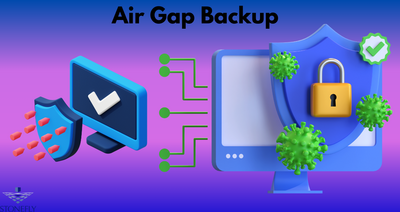
A backup is only valuable when an organization can actually recover from it after losing access to production systems. An Air Gapped Backup adds a deliberate separation between recove...
Why Deliberate Network Isolation Still Matters in Modern Infrastructure
Constant connectivity has made modern infrastructure easier to manage, but it has also created more opportunities for unwanted access. An Air Gapped environment takes a different app...
How API-Compatible Storage Can Keep Data Close to Applications
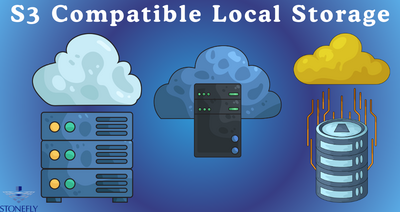
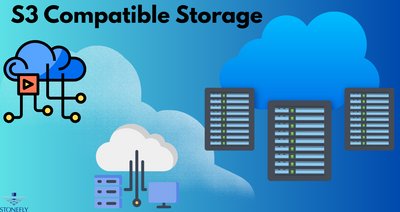
Modern applications increasingly need a storage layer that can handle large volumes of unstructured data without becoming difficult to manage. S3 Compatible Local Storage provides an approach...
How Isolated Storage Fits Into a Modern Data Protection Strategy
Modern organizations generate enormous amounts of information, and keeping that information available is only one part of the challenge. Companies also need a dependable way to preserve imp...
Designing a Backup Lifecycle for Reliable Data Recovery
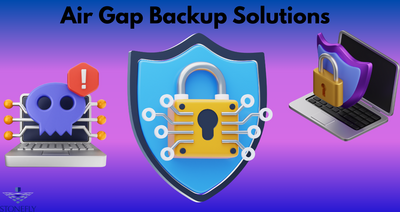
When businesses plan for data loss, creating a backup is only the beginning. Air Gap Backups can add another layer of protection by keeping selected recovery copies separated from systems that attac...
How to Evaluate Backup Technologies for Business Continuity
Choosing a backup technology involves more than comparing storage capacity or purchase prices. Organizations must determine how quickly they can restore critical applications, whether protected ...
Creating Recovery Copies That Remain Available During a Crisis
When a business experiences a ransomware incident, a hardware failure, or an accidental deletion, its ability to resume operations depends on the quality of its recovery preparations. Having ...
Local Object Storage: How to Build a Scalable Data Management Environment
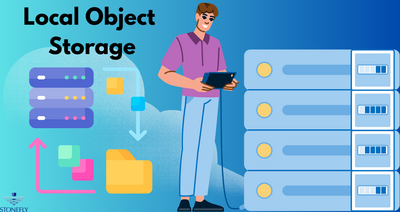
As organizations accumulate documents, application files, backups, media assets, and operational records, managing information across individual servers and disconnected devices be...
Air Gap Backup: A Practical Strategy for Recovering From Ransomware
When ransomware attacks a business, the damage can extend far beyond encrypted files. Attackers may attempt to delete recovery copies, compromise administrative accounts, and disrupt the...
How to Choose a Dedicated Storage Appliance for Enterprise Data Management
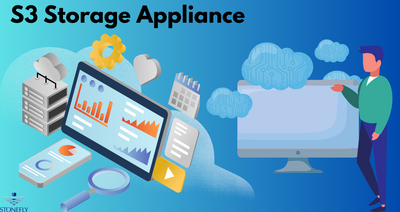
Managing business data across disconnected servers, external drives, and scattered storage systems can create unnecessary complexity. As organizations expand their applications an...
How to Choose an Object Storage Platform That Works With Your Existing Applications
Businesses often depend on multiple applications to manage backups, documents, media files, and operational data. When each application requires a different storage inter...
Creating a Protected Foundation for Long-Term Data Retention
Organizations often need to preserve business information long after its original purpose has passed. Financial records, historical documents, application archives, research files, and ...